How to Winterize Your Plumbing in Hendersonville
Hendersonville pipes freeze when overnight lows hit the low 20s. Here is the exact order to winterize your plumbing, from hose bibs to crawlspace lines.
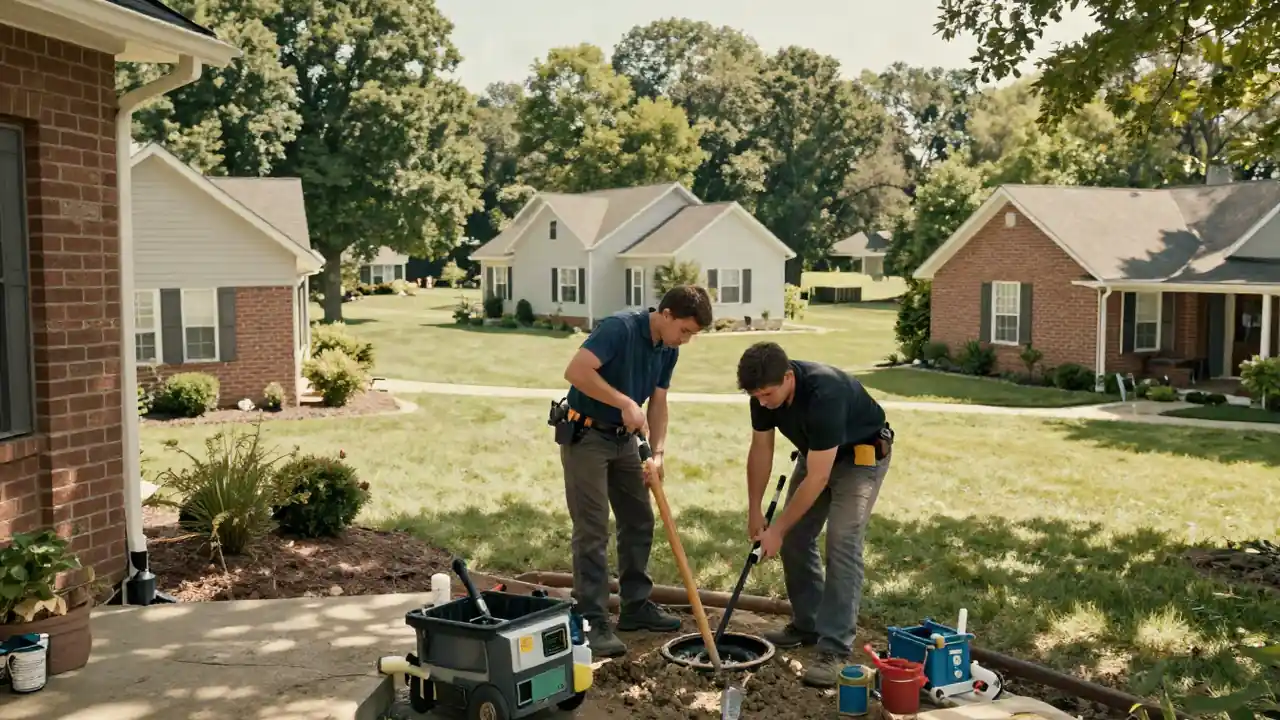
Winterizing your plumbing in Hendersonville means draining and insulating every water line that sits in an unconditioned space before the first hard freeze, and the deadline here is earlier than most homeowners think. Overnight lows around Old Hickory Lake routinely drop into the low 20s by late November, and a single night at 20°F is enough to split a copper supply line in a vented crawlspace. This guide walks through the exact order we use on service calls: outdoor faucets first, then exposed pipe runs, then the equipment most people forget.
We have run these calls across Sumner County for years, and the failures repeat in the same five or six spots. Work through the list below in one afternoon and you cut your odds of a burst pipe dramatically.
When Should You Winterize Your Plumbing in Hendersonville?
Winterize by mid-November in Hendersonville, because the first freeze that matters usually arrives between November 15 and December 5. The National Weather Service climate record for this part of Middle Tennessee puts the average first 28°F night in that window, and lake-effect cooling near the shoreline pulls some neighborhoods a few degrees lower than the official station.
If you are reading this in November, you are on time. If it is already January, you are not too late - pipes that survived December can still split in a February cold snap, and we get those most years.
Three temperatures are worth remembering:
- 45°F - start paying attention to overnight forecasts.
- 32°F - exposed pipes in crawlspaces and garages begin losing heat fast.
- 20°F or below for four-plus hours - this is when unprotected lines actually burst.
Wind matters as much as the number. A 25°F night with 15 mph wind will freeze a poorly insulated pipe faster than a still 22°F night. That is why we treat exposed hose bibs and crawlspace runs as the priority, not the calendar.
Start With the Outdoor Faucets and Hose Bibs
Outdoor faucets are the single most common freeze failure in Hendersonville homes, and they are also the cheapest to protect. A frost-proof sillcock only drains correctly if you remove the hose and let the internal seat empty - leave a hose attached and the whole assembly holds water and cracks.
Here is the sequence:
- Disconnect every hose and drain it. Store hoses coiled and off the ground.
- Close the interior shutoff valve that feeds the outdoor line, if your house has one.
- Open the outdoor spigot to let the remaining water drain out.
- Leave the spigot open about a quarter turn through the winter so any trapped water has room to expand.
- Install an insulated faucet cover on each bib, or wrap it with foam and tape if the cover will not fit.
Homes built before the 1990s often have no interior shutoff for the outdoor line. If that is your situation, the cover and the open spigot are your only protection, and it is worth having us look at adding a shutoff before next season. This is also the time to walk the yard and check irrigation lines, pool fill lines, and any hose bib on a detached garage - those get missed constantly.
If a bib has already cracked and you are seeing water against the foundation, that is a job for frozen pipe repair hendersonville TN, not a cover. We can usually swap a split sillcock the same day.
Insulate the Pipes That Actually Freeze
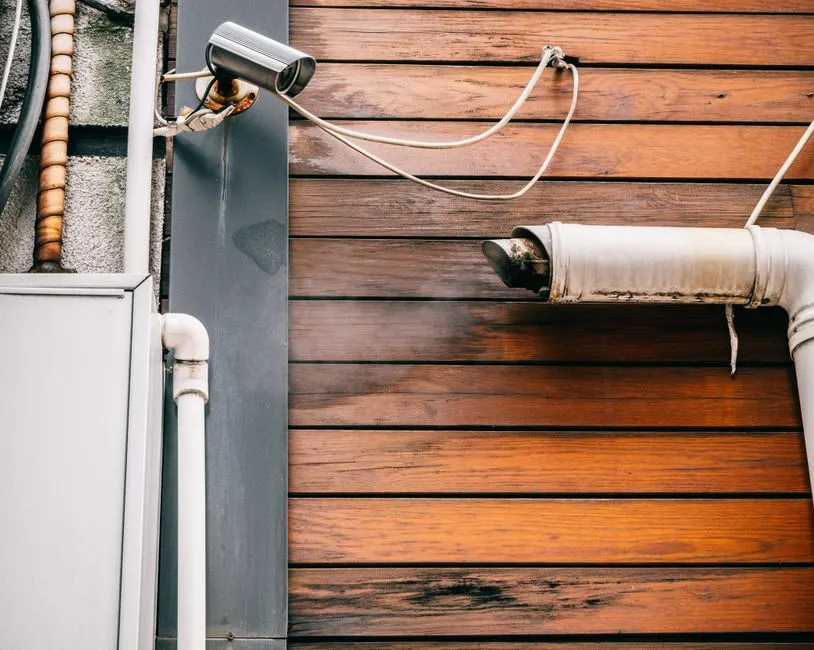
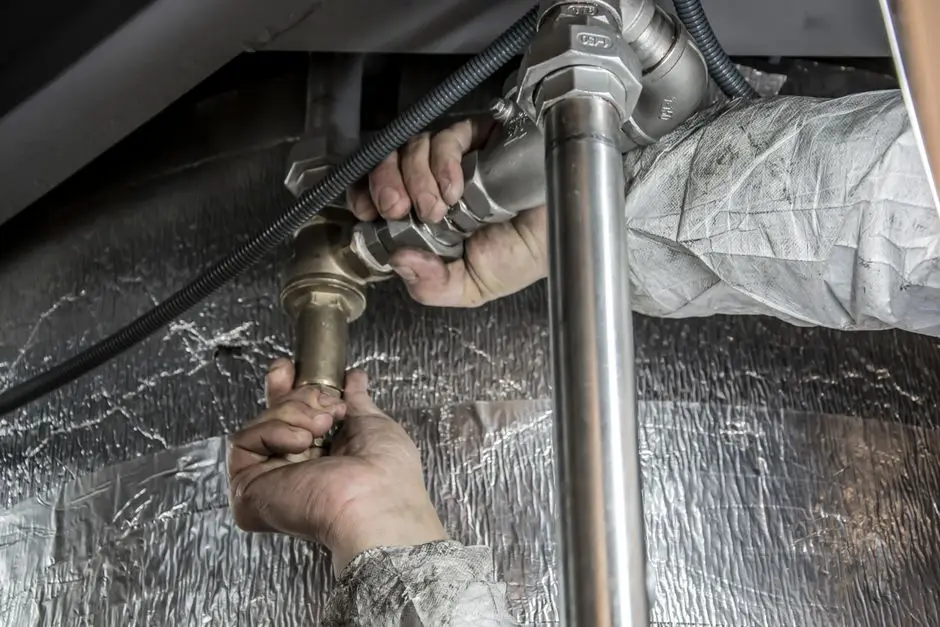
Pipe insulation in Hendersonville TN matters most in four places: the crawlspace, the attic run above the kitchen, the garage wall where the water heater sits, and any exterior wall with a sink on it. Those are where we find split copper and burst PEX every winter.
Foam pipe sleeves cost about $2 to $4 per six-foot section at any hardware store in town, and a full crawlspace wrap for a typical 1,800-square-foot Hendersonville home runs $150 to $400 in materials. That is cheap compared to a repair.
What to insulate, in order of priority:
- Any pipe within 12 inches of a foundation vent.
- Supply lines running through an unheated garage or crawlspace.
- The first six feet of pipe coming out of the water heater.
- Exterior wall cavities behind kitchen and bathroom sinks.
- Any pipe that has frozen before - it will freeze again.
Use closed-cell foam sleeves, not the open-cell stuff, and seal the seams with tape. Where a pipe runs along a joist, wrap it fully - leaving the bottom exposed does almost nothing. If you have older galvanized or thin-wall copper that has already been patched, insulation buys time but does not fix a line that is due for replacement. Our team handles pipe repair hendersonville TN year-round, and we will tell you honestly whether insulation is enough or whether a section needs to come out.
How Do You Prevent Frozen Pipes in Hendersonville TN?
Prevent frozen pipes in Hendersonville TN by keeping heat in the building, keeping water moving, and knowing where your main shutoff is. Those three things cover 90% of what we see.
Heat first. Do not close the crawlspace vents entirely - that traps moisture and rots joists - but do close the ones on the windward side. Keep the thermostat at 58°F or higher overnight, even when you are away. Open cabinet doors under kitchen and bathroom sinks on exterior walls so warm room air reaches the pipes.
Movement second. On nights forecast below 22°F, let one faucet on the far end of the house drip at a pencil-lead stream. A dripping line is much harder to freeze than a static one, and the cost is a few dollars of water.
Shutoff third. Find your main shutoff valve today, not at 2 a.m. with water running down a hallway. In most Hendersonville homes it is at the meter box near the street or where the main enters the house. Tag it. Make sure everyone in the house knows where it is.
If you want a professional walkthrough before the cold settles in, our plumbing inspections hendersonville TN include a full freeze-risk check - crawlspace, attic, exterior walls, and hose bibs - with a written list of what to fix first.
What About the Water Heater and Sump Pump?
Water heaters and sump pumps both fail more in winter than any other season, and both can flood a house if they go while you are not watching. A tank water heater in a cold garage loses efficiency fast, and the supply and relief lines on it are prime freeze candidates.
Wrap the first six feet of both the hot and cold lines coming off the tank. If your heater is in an unheated garage, a simple insulated blanket on the tank itself helps hold temperature. If the unit is over 10 years old and you are already seeing rusty water or popping sounds, winter is when it tends to quit - better to plan a replacement now than to call us at 6 a.m. on a 24°F morning. We handle water heater repair hendersonville TN and full replacements, and we can usually get to a failed unit the same day.
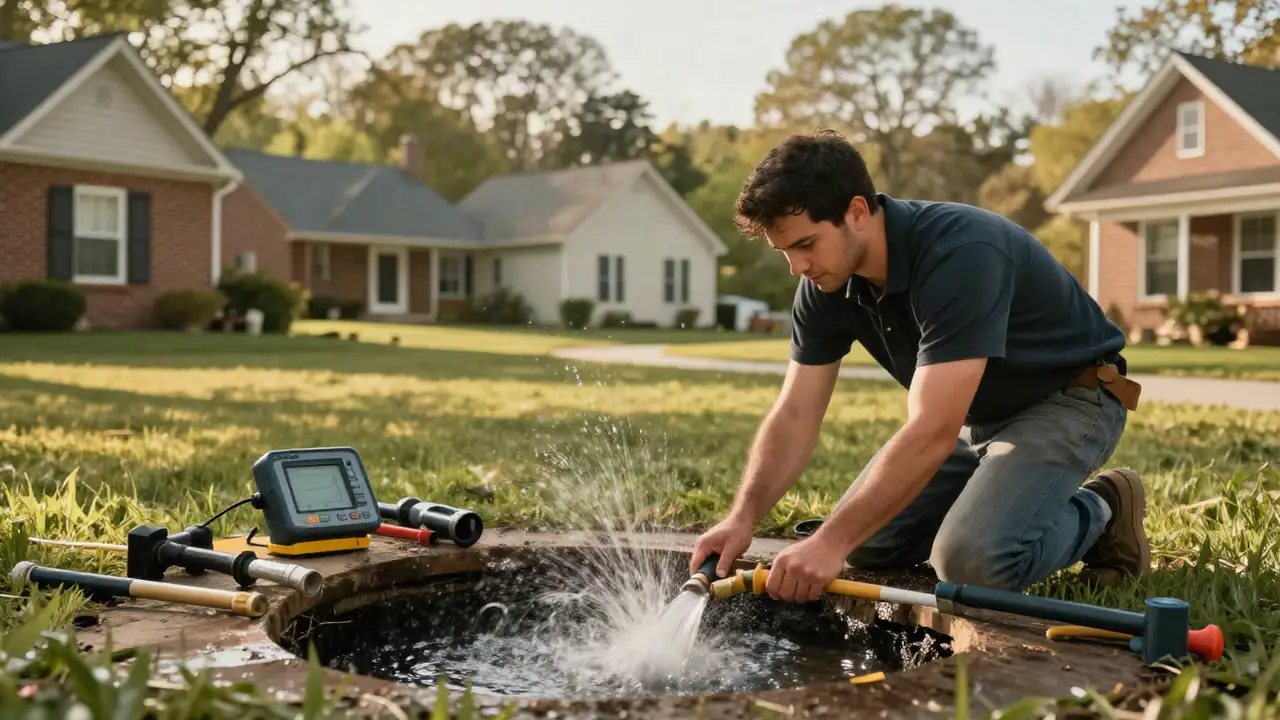
Sump pumps get ignored until the first big rain, and winter here brings both rain and freeze-thaw cycles. Test yours by pouring a bucket of water into the pit and watching it cycle. If it hesitates, hums without pumping, or runs constantly, that is a problem you want to solve in November, not during a January storm. Our sump pump repair hendersonville TN service covers testing, float adjustment, and full replacement.
If You Leave Town for the Holidays
An empty house in January is the setup for the worst freeze damage we see. Nobody is there to notice the drop in water pressure or the sound of running water, so a small split becomes a flooded first floor by the time you get home.
If you are leaving for more than three days:
- Set the thermostat no lower than 58°F. Do not shut it off.
- Shut off the main water valve and open the lowest faucet in the house to drain the system.
- If you have a tank water heater, set it to vacation mode or turn it down to 60°F.
- Ask a neighbor to walk through once and run a faucet for 30 seconds.
- Leave cabinet doors under exterior-wall sinks open.
For a longer trip or a second home near the lake, a full drain-down is the safest option. We offer a winterization service that does this properly, including blowing out the lines and treating the traps.
Common Mistakes We See Every January
The same handful of mistakes cause most of the frozen pipe calls we run in Hendersonville, and every one of them is avoidable.
- Leaving the hose connected. This is number one by a wide margin. A frost-proof bib with a hose on it holds water and splits.
- Insulating only the top of a pipe. Wrap the whole circumference or you are wasting the foam.
- Closing every crawlspace vent. Traps moisture, rots framing, and does not stop a hard freeze anyway.
- Using a space heater in the crawlspace. Fire risk, and it does not reach the far end of the run.
- Thawing a frozen line with an open flame. We have seen this torch a joist. Use a hair dryer, heat lamp, or call us.
- Ignoring a slow drain in winter. A partially blocked line freezes faster than a clear one. If your kitchen or laundry drain is sluggish, get it cleared before the cold - our drain cleaning hendersonville TN service handles that in a single visit.
One more: do not assume PEX is freeze-proof. It is more forgiving than copper, but it still splits at the fitting, and those failures are just as wet.
When to Call a Professional
Call a professional when a pipe has already frozen, when you cannot find or operate your main shutoff, or when your crawlspace has pipes you cannot safely reach. Those are the three situations where a DIY fix tends to make things worse.
We also get called for winterization itself, and it is a good fit if you are heading out of town, if you have a second home, or if you simply do not want to crawl under the house in December. Our team at Hendersonville Lakebend Plumbing walks the whole system, insulates what needs it, drains what should be drained, and leaves you a short list of anything that needs attention before the next cold front.
If you want a plumber in Hendersonville TN who will tell you plainly what your house needs and what it does not, that is what we do. No upsell on parts you do not need, no vague pricing.
Frequently Asked Questions
How do I winterize my plumbing in Hendersonville TN?
Disconnect and drain all hoses, close interior shutoffs on outdoor lines, open the outdoor spigots a quarter turn, install faucet covers, then insulate every exposed pipe in the crawlspace, attic, and garage. Set the thermostat to 58°F or higher and locate your main shutoff. The whole job takes two to four hours for a typical home.
When should I winterize my pipes in Hendersonville?
By mid-November. The first hard freeze in this part of Sumner County usually lands between November 15 and December 5, and lake-adjacent neighborhoods run a few degrees colder than the official forecast. If you miss that window, winterize anyway - February cold snaps cause just as much damage.
How do I prevent frozen pipes in Hendersonville Tennessee?
Keep the thermostat at 58°F or higher, open cabinet doors under exterior-wall sinks, drip one faucet on nights below 22°F, and insulate every exposed line. Close windward crawlspace vents but leave the rest cracked. Know where your main shutoff is before you need it.
Do I need to winterize outdoor faucets in Hendersonville TN?
Yes. Outdoor faucets are the most common freeze failure here. Remove the hose, shut off the interior valve if you have one, open the spigot to drain, and cover it with an insulated cap. A frost-proof sillcock only drains correctly when the hose is off.
What temperature should I worry about pipes freezing in Hendersonville TN?
Start paying attention at 32°F, but the real danger is 20°F or below for four or more hours. Wind accelerates it - a windy 25°F night freezes an exposed pipe faster than a still 22°F night. Crawlspace and garage lines freeze first.
Get Help With Plumbing in Hendersonville
If you would rather hand the whole winterization list to someone who does it every week, we will take it from here. One visit covers your outdoor faucets, crawlspace lines, water heater, and sump pump, and you get a plain-English rundown of anything that needs attention.
Call Hendersonville Lakebend Plumbing at (615) 842-5111 to schedule your winterization before the next cold front.